About Me
…without the physics
Family
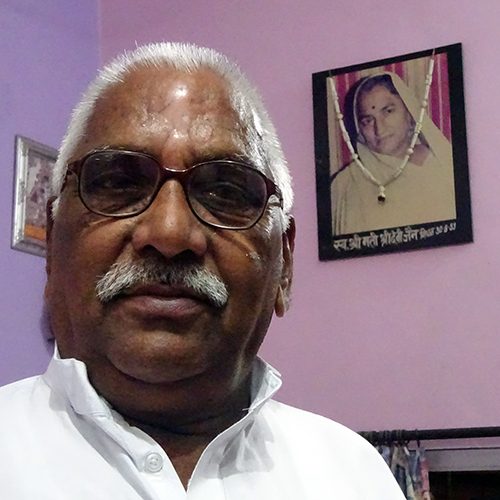
I was born in the summer of 1993 into a large joint family in Shikohabad, a small town in Uttar Pradesh in northern India. In the 1960s my grandfather set up a book-printing press there, which has been the extended family’s livelihood ever since. It also gave our home an academic atmosphere that has left a lasting mark on my life.
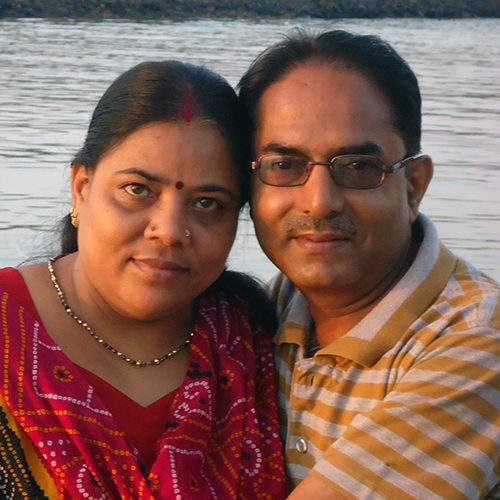
My father worked for All India Radio for over three decades and recently retired as Station Director in Agra. He is the most sociable and socially influential person I know, my own generation included. He also loves Hindi literature, keeps a small library at home and writes Hindi poetry, which is a little surprising for someone whose highest degree is an MSc in physics. Physics, it seems, runs in the family. My mother, on the other hand, held master’s degrees in both economics and sociology. She was a primary-school teacher and spent much of her time caring for all of us. We lost her to gallbladder cancer during my PhD.
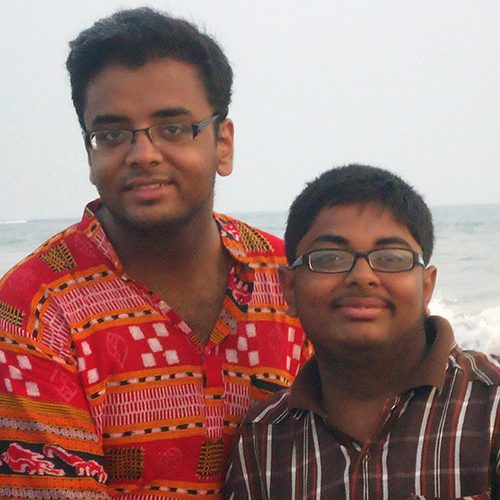
I grew up with a younger brother. The years flew by in a blur of fights, street cricket, Grand Theft Auto, Need for Speed and Miniclip games, arguments about superheroes, and new ways to annoy our parents. He went on to do a master’s in biological engineering in Canada and now works as a food engineer in Halifax, where he lives with his wife, a nanoparticle researcher.
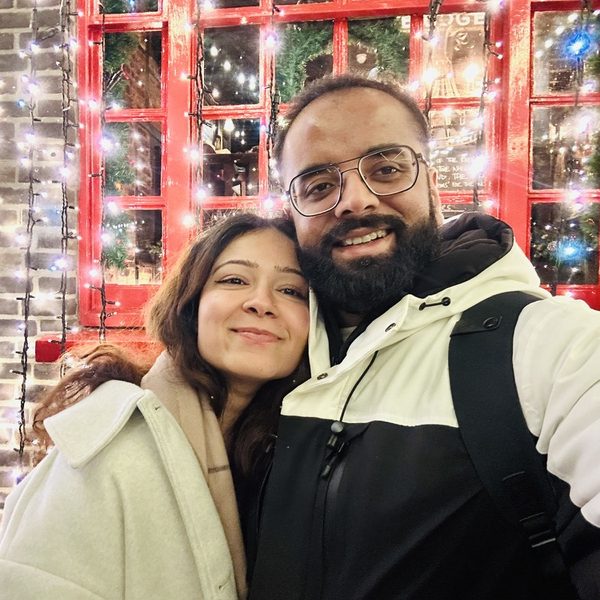
In 2021 I married Karnika. A civil engineer by training, she was lured into accounting by Just Eat Takeaway in London. She is also an amateur barista and a bit of a fitness freak – she can certainly squat more than me – but a sucker for apple pie. We love travelling, especially when we can squeeze in long drives and hikes, with generous coffee breaks. In September 2026 we welcomed our baby boy, Yunay. We don’t know the dude very well yet.
And that’s just the tip of the iceberg. In India we keep our families close: with four uncles, five aunts and their partners, seventeen cousins, and a new partner or two joining every year, ours is a healthy ensemble. Do ask me about them in person sometime.
Mathura and Agra
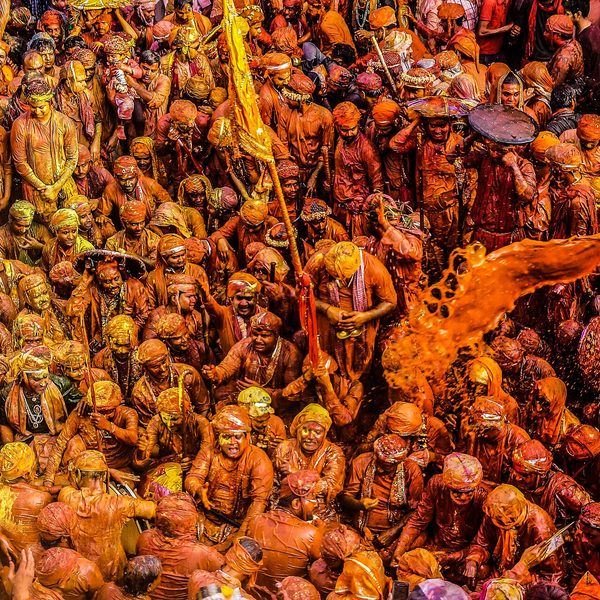
I spent most of my childhood in Mathura, on the banks of the Yamuna. In Hindu tradition Mathura is the birthplace of Lord Krishna, and our house was a few hundred metres from the spot where he is said to have been born. Mathura lies in the wider Braj region, whose culture is steeped in the lore of Krishna, with its own art forms, dialect and cuisine. Holi, the festival of colours, also has its roots here, and it is a spectacular affair if you ever get the chance to see it.
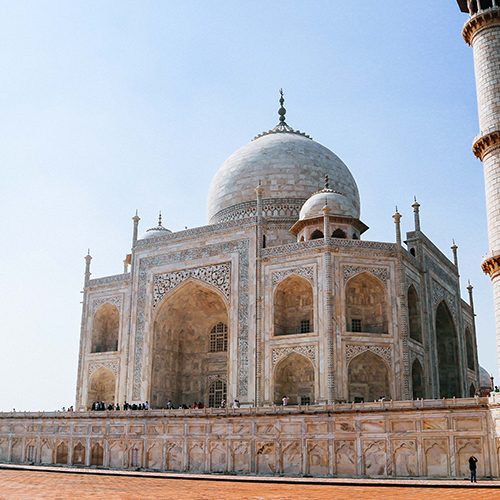
My family later moved to Agra, another historic city on the Yamuna. If Mathura belongs to Krishna, Agra belongs to the Mughals: it was their capital for more than a century, and its architecture shows it. The Taj Mahal, perhaps the finest example of Mughal architecture, stands there alongside the Agra Fort and nearby Fatehpur Sikri, all three UNESCO World Heritage Sites. Our family home is about 8 km from the Taj Mahal, and it is where I spent my teenage years.
Jain roots
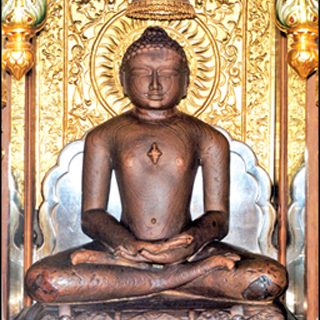
My surname, Jain, comes from Jainism, the religion my family has followed for generations. I am not religious myself, but Jainism has shaped my life and my moral compass. It is a philosophy that originated in India, built on three principles: non-violence (ahimsa), non-absolutism (anekantavada) and non-attachment (aparigraha). Together with Buddhism, it is one of the two surviving traditions of the ancient Śramaṇa movement of Indian ascetics. In daily life it is best known for vegetarianism, along with regular prayer, fasting and meditation. Its temples are quite distinct from Hindu ones and celebrate the twenty-four tirthankaras, the teachers of the faith. I count it as my cultural and ancestral roots, and I try to carry its values into my everyday choices.
Outside physics
When I’m not doing physics, I dabble in machine learning and data science. I also design and build websites, this one included – a skill that, like so many others, is fast becoming obsolete with the advent of AI. I am quite proud of mySpires, the web-based reference manager for physicists that I developed. Otherwise, I like to travel, read, and play video games, board games and chess, and on some weekends I binge-watch a film or a series; anything science fiction or fantasy will do.
Sharing science
I care deeply about promoting scientific thinking. Much of it happens at a granular level, in impromptu conversations with family, friends and students, but I am also keen to share my views on bigger platforms. I have spoken about research in theoretical physics on Doordarshan, India’s national television, and on All India Radio, and shared memories of Singularity’s early days in Mapping the History of Singularity, a film by Chrysalis, IISER Bhopal’s science magazine. More recently, in March 2026, I gave an alumni talk for IISER Bhopal’s Center for Career Development, to help undergraduate and graduate students choose between careers in academia and industry.