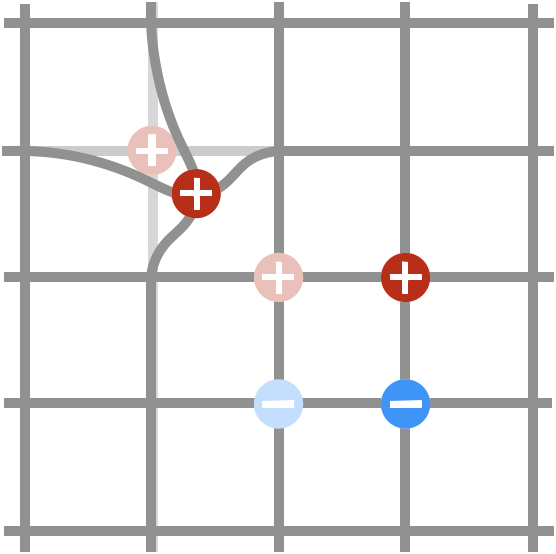
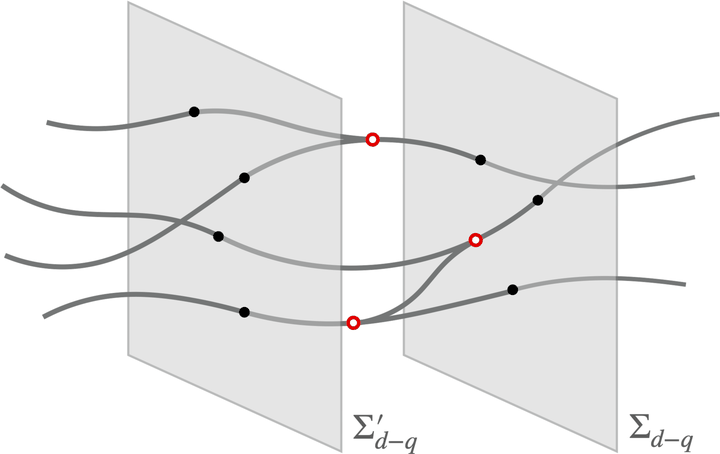
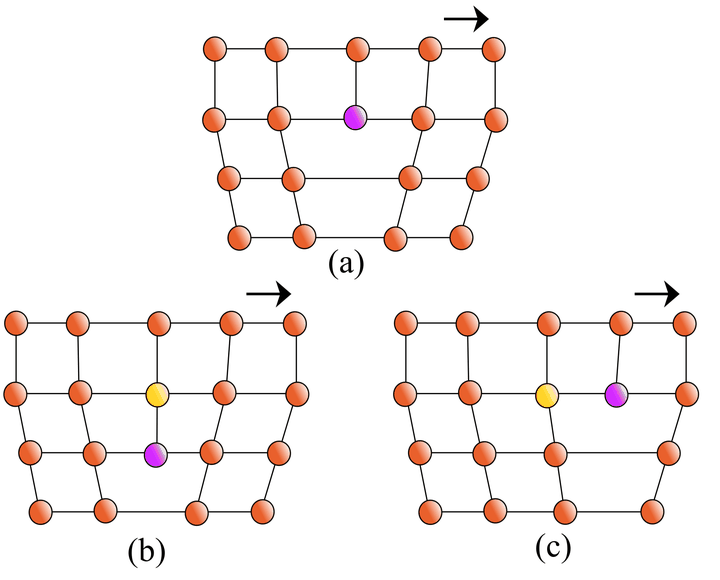
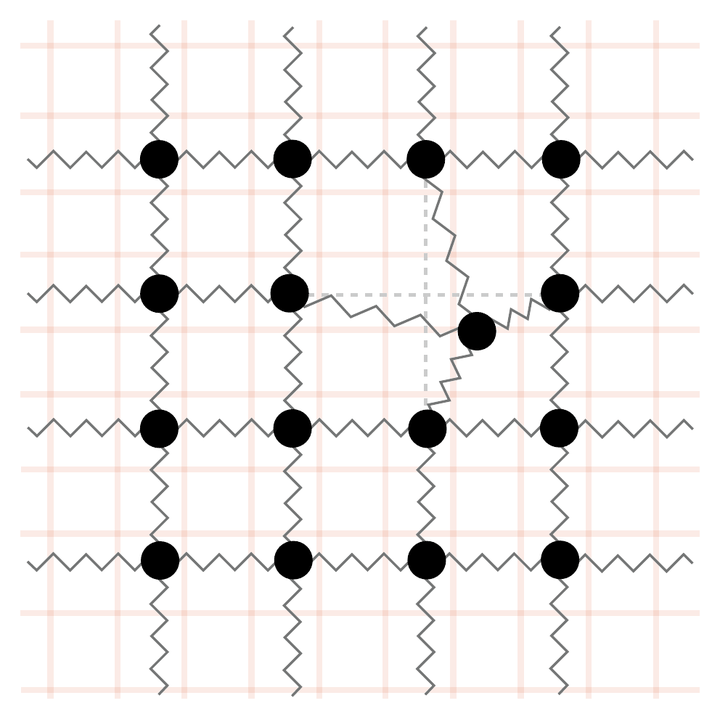
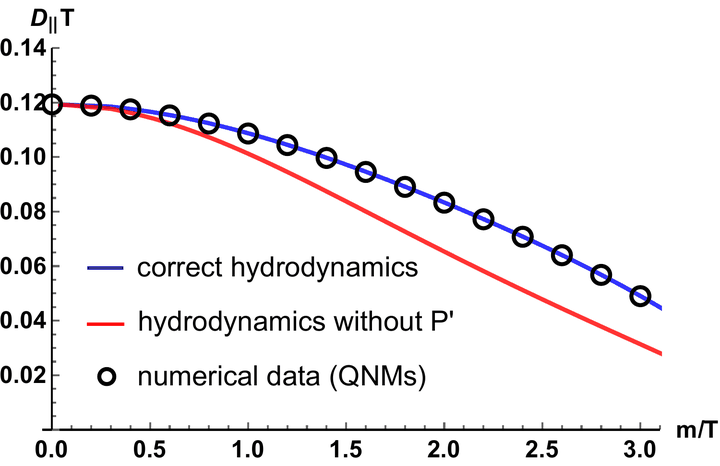
Solids and crystals spontaneously break the translation symmetry of space, and their slow dynamics is governed by the resulting Goldstone modes, the phonons. In real materials these symmetries are often only approximate – broken weakly by impurities or by an underlying lattice – which gives the Goldstone modes a small mass and damping. With collaborators, I have developed hydrodynamic theories of viscoelastic materials, charge density waves and plastic deformations in electronic crystals, and studied how approximate symmetries and pseudo-Goldstone modes are constrained by the second law of thermodynamics.
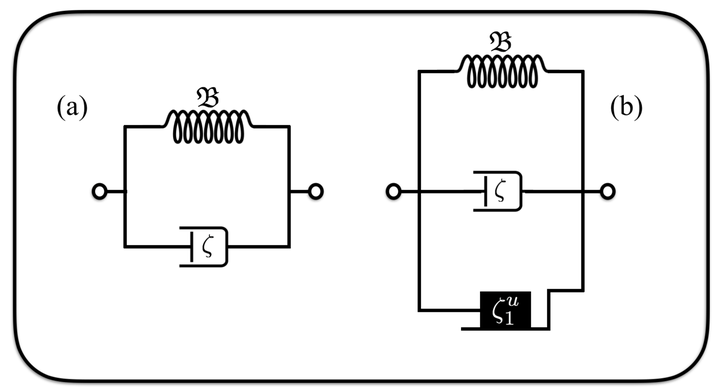
Viscoelasticity extends elasticity to time-dependent effects, capturing how materials gradually recover their shape or keep deforming under sustained stress. Its hydrodynamics can equivalently be written as that of a superfluid with higher-form symmetries (arXiv:1908.01175).